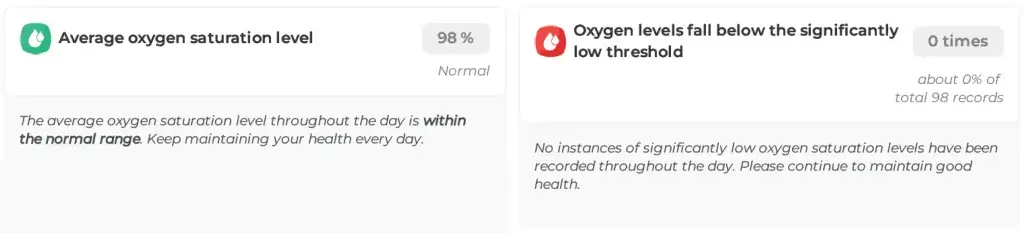
Continuous Monitoring: Uses wearable devices and sensors to track vital signs (e.g., heart rate, blood pressure, oxygen levels) in real-time, allowing for constant health assessment.
AI and Machine Learning Algorithms: Analyzes collected data to detect unusual patterns or trends that may indicate health issues, such as irregular heartbeats or fluctuations in blood sugar levels.
Personalized Baseline Data: Establishes individual baselines for each patient, making it easier to identify deviations that could signify early warning signs.
Automatic Alerts and Notifications: Sends instant alerts to patients and healthcare providers when detected signs exceed normal ranges, enabling quick responses.
Remote Monitoring: Enables healthcare providers to monitor patients remotely, especially for those with chronic conditions, reducing the need for frequent hospital visits and minimizing delays in detecting potential issues.
Improved Patient Outcomes: Early detection leads to faster treatment, which can prevent complications, slow disease progression, and improve overall health outcomes.
Emergency Response Integration: In cases of critical abnormalities, the system can trigger emergency protocols, contacting family members or medical services as necessary.
Health Trend Analysis: Tracks long-term health trends to identify subtle changes that may develop over time, which can be early indicators of potential health problems.